
Probably Stolen Rats: Feeding, Breeding and Health
Rats are a livestock system with several separate needs: a suitable Animal Cage, accessible food, waste cleanup, healthy breeding stock, and maintained cage durability. Solving only one of those needs will not keep the colony healthy.
Quick answer
Keep live rats in an Animal Cage, give that cage loose food or an installed Livestock Feed Dispenser, clean feces, repair damage, and evaluate health and immunity before choosing a breeding pair. Never recycle rat meat into rat feed because it creates Prion Disease risk.
How to get rats
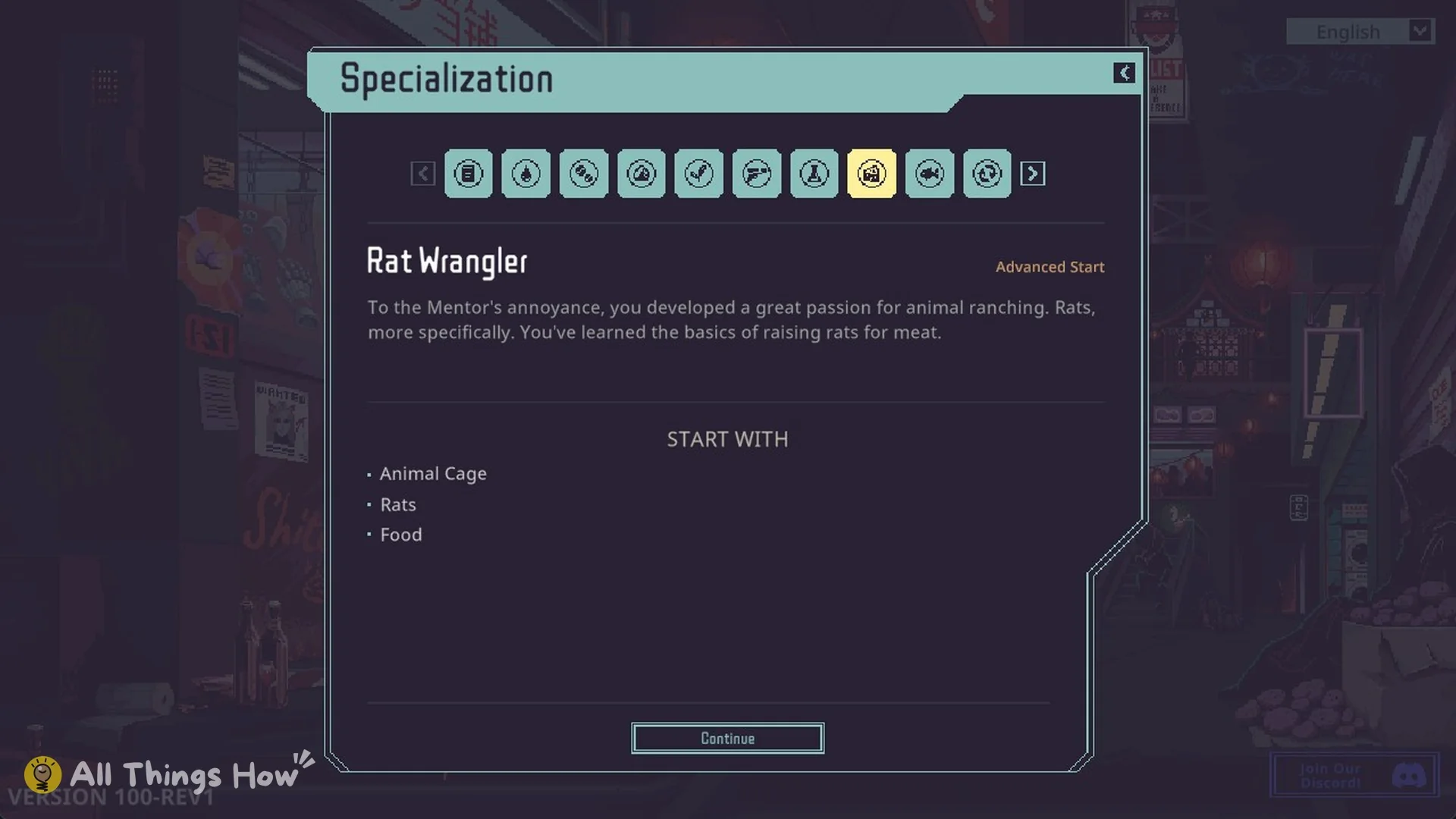
The Rat Wrangler scenario is the fastest start because it is built around cages, rats, food, and breeding tools. Other scenarios can enter the system through the Ranching upgrade and the Retired Rat Rancher. A Mouse Trap can also catch rats during overnight processing.
Do not buy breeding animals before you have a working cage and food plan. Live animals continue consuming resources and affecting cage durability while you wait for missing equipment.
How to house and feed rats
Place live rats inside an Animal Cage. Food must be loose inside that same accessible cage or stored as compatible calories in a Livestock Feed Dispenser installed in the cage's equipment position.
Rats eat during overnight resolution. A rat that looks safe during the day can still go hungry that night if the food supply, target, or machine setup is wrong. Check the dispenser's compatible calorie category rather than only its total stored number.
The Cleaner Robot removes feces; it does not feed animals, repair the cage, or cure disease. Likewise, a Feed Dispenser cannot replace cleaning and maintenance.
Breeding and gene selection
Keep a healthy breeding pair with strong immunity before optimizing for production traits. Then select genes according to the purpose of the colony, such as growth, size, reproduction, or longevity.
Use the current Gene Scanner information instead of an old fixed formula. Precise maturity ages and gene-to-yield calculations from pre-release guides have not been confirmed across all full-release updates.
Sell or butcher surplus rats rather than allowing uncontrolled population growth to exhaust food and cage durability. Inspect breeding stock again after illness or a poor overnight cycle.
Disease, feces, and cage durability
When rats keep getting sick, check every system:
- Is feces being removed?
- Did every animal receive enough compatible calories overnight?
- Is the Animal Cage damaged?
- Does the rat have weak immunity?
- Is any rat meat still present in the dispenser's relevant storage?
- Are you expecting a vaccine to solve a non-disease problem?
Vaccination does not replace food, cleaning, or repairs. Cage durability also changes with the live animals housed inside; dead animals and dedicated cage equipment follow different rules.
Avoiding Prion Disease
Do not feed rat meat back to rats. A dispenser can process it, but that does not make it safe. The cannibal-meat risk remains associated with the relevant stored meat until that reserve is emptied, and adding a different food does not simply dilute the warning away.
If contamination occurs, clear the affected reserve and replace it with compatible non-rat food. Remember that using Empty discards stored calories rather than returning the original items.
Butchering rats safely
Separate surplus animals from the breeding pair, confirm which individuals you want to keep, and only then butcher or sell extras. Do not move the resulting rat meat into the colony's food supply. Store it for a valid buyer or production purpose away from the dispenser serving your rats.
A cage check before ending the day
Look at the live population first, then the food it can actually access. Loose food in the cage and categorized calories in an installed dispenser are different arrangements. A large reserve elsewhere in the shop is not proof that the rats in this cage can use it.
Next inspect feces and cage condition as separate maintenance tasks. A clean cage can still contain hungry animals, and a full dispenser does not repair damage. A sustainable routine needs food, cleanup, and repairs rather than one machine expected to perform all three jobs.
Choose breeding stock before removing surplus
Use current health and Gene Scanner information to identify the animals you intend to keep. Prioritize healthy stock and immunity before optimizing a production trait. Then choose the growth, size, reproduction, or longevity direction that matches your purpose for the colony.
This is a selection method, not a numerical breeding guarantee. The supplied research does not establish the full current gene-to-meat or gene-to-sale-value formulas. Avoid removing your selected pair because an older guide promises a fixed return from butchering every large rat.
Investigating recurring illness
Identify which need was missing before changing the setup. Hunger calls for a food and access check; feces calls for cleanup; damage calls for maintenance. If rat meat entered storage, adding another food does not clear the persistent cannibal-meat warning.
Vaccination does not prove that those other causes are solved. Clearing a contaminated reserve also discards calories instead of restoring food items. Account for replacement food before using Empty so cleanup does not create another shortage.
待确认 (Pending confirmation): exact maturity and breeding ages, disease formulas, trait-to-yield values, and durability consumption by animal size. Demo demonstrations provide interface context, not current probabilities for those questions.
FAQ
How do I get rats outside Rat Wrangler?
Unlock Ranching and use the Retired Rat Rancher route, or operate a Mouse Trap overnight.
Why are my rats not eating?
Check that food is in the same cage, the dispenser is installed correctly, the calories are rat-compatible, and the feeding target can activate during the night.
Why do vaccinated rats still get sick?
Vaccination does not correct hunger, feces, cage damage, poor immunity, or Prion contamination.
Can rats eat rat meat?
The machine can accept it, but feeding it to rats creates Prion Disease risk and should be avoided.
Sources
- Official Probably Stolen Steam news
- ProbablyStolenDB rat guide
- Wikily Livestock Feed Dispenser data
- Rat breeding interface demonstration — Demo footage used only for interface context